
Introduction
The rise of technology has transformed numerous industries, and logistics is no exception. As e-commerce continues to grow, companies like UPS are exploring innovative solutions to meet increasing customer demands. One such advancement is the trial of autonomous delivery vans in suburban neighborhoods, a move that promises to change the face of package delivery. This article delves into UPS’s foray into autonomous vehicles, discussing historical context, current trials, potential benefits and challenges, and future predictions.
Historical Context of Delivery Services
UPS, founded in 1907, has always been a pioneer in logistics and delivery. Over the decades, the company has embraced technological advancements, from the introduction of tracking systems to the integration of advanced logistics software. The transition to autonomous delivery vehicles marks a significant evolution in UPS’s approach to meet the demands of modern consumers.
Early Innovations
The history of delivery services is marked by constant innovation. In the early 20th century, horse-drawn carriages made way for motorized vehicles, significantly speeding up delivery times. Fast forward to the 21st century, and the advent of the internet has made online shopping a staple for many consumers. In response to this shift, UPS has continually adapted its methods and explored automation to streamline operations.
UPS’s Autonomous Delivery Trials
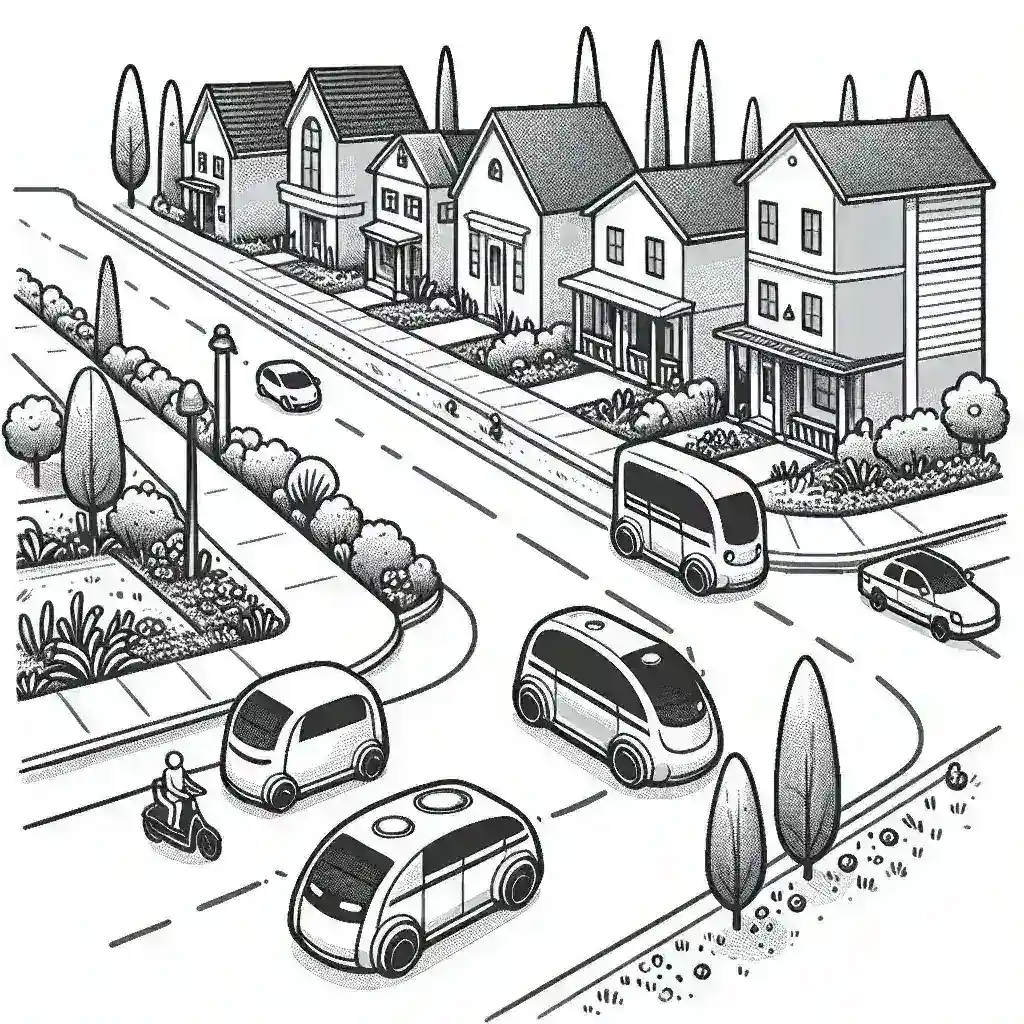
In recent years, UPS has partnered with various technology companies to test autonomous delivery vans. The current trials are primarily focused on suburban neighborhoods, where the unique layout and traffic patterns present both opportunities and challenges for autonomous vehicles.
Characteristics of the Suburban Environment
Suburban neighborhoods often present a mix of residential areas, local businesses, and community spaces. This environment is conducive for autonomous delivery vans as they can navigate less congested streets and make frequent stops without the pressure of urban traffic. However, the presence of pedestrians, cyclists, and pets also poses challenges that need to be addressed.
Key Features of the Autonomous Vans
- Advanced Sensors: The delivery vans are equipped with state-of-the-art sensors, cameras, and LIDAR technology, allowing them to perceive their surroundings in real-time.
- Data-Driven Decision Making: These vehicles utilize data analytics to enhance their delivery routes, making adjustments based on traffic conditions, weather, and customer interactions.
- Seamless Integration: The autonomous vans are designed to work in tandem with UPS’s existing logistics network, ensuring that they complement traditional delivery methods.
Benefits of Autonomous Delivery Vans
The deployment of autonomous delivery vans brings several advantages that could revolutionize the logistics industry.
Enhanced Efficiency
One of the most significant benefits is the potential for enhanced efficiency. Autonomous vehicles can operate longer hours than human drivers, allowing UPS to make more deliveries in a shorter amount of time. This capability is especially crucial during peak seasons, such as holidays when demand skyrockets.
Cost Reduction
By reducing the need for human drivers, UPS may see a decrease in labor costs. Additionally, autonomous vehicles could help lower operational costs related to fuel consumption and vehicle maintenance through optimized driving patterns.
Environmental Impact
UPS is committed to sustainability, and integrating electric autonomous delivery vans aligns with this goal. These vehicles can significantly reduce carbon emissions, contributing to cleaner suburban environments.
Challenges and Considerations
While the potential benefits are substantial, several challenges must be addressed before widespread adoption of autonomous delivery vans can occur.
Regulatory Hurdles
The regulatory landscape for autonomous vehicles remains complex and varies by region. UPS must navigate these regulations to ensure compliance while conducting their trials. This process may require collaboration with local governments and transportation authorities.
Public Perception
Consumer acceptance of autonomous delivery vehicles is another critical factor. While many may welcome the convenience, others may harbor concerns about safety and job displacement. UPS will need to engage with communities to alleviate fears and promote the advantages of this technology.
Future Predictions
Looking ahead, the future of autonomous delivery vans appears promising. As technology evolves, UPS is likely to expand its trials and eventually roll out autonomous delivery vans across various regions.
Integration with Smart Cities
As cities become smarter, UPS’s autonomous delivery vans could seamlessly integrate into urban environments equipped with smart infrastructure. This connection could enable vehicles to communicate with traffic signals, pedestrian crossings, and other smart devices, further enhancing efficiency and safety.
Collaboration with Other Technologies
Future developments may also include collaborations with drone delivery systems. Combining ground and aerial delivery methods could provide even faster and more flexible service options for customers.
Conclusion
The trials of autonomous delivery vans by UPS in suburban neighborhoods represent a significant leap forward in the logistics industry. While challenges exist, the potential benefits in terms of efficiency, cost reduction, and environmental impact are compelling. As UPS continues to innovate and adapt to changing consumer needs, the future of delivery services looks bright, with autonomous vehicles set to play a pivotal role.
Leave a Reply