
Introduction
In a groundbreaking move that combines technology with hospitality, Universal Orlando has announced the integration of biometric payment systems across its vast resort. This innovative approach promises to streamline guest experiences, increase security, and enhance overall convenience. In this article, we will delve into what biometric payments entail, their historical context, the advantages and disadvantages of this technology, and what the future holds for both Universal Orlando and its visitors.
Understanding Biometric Payments
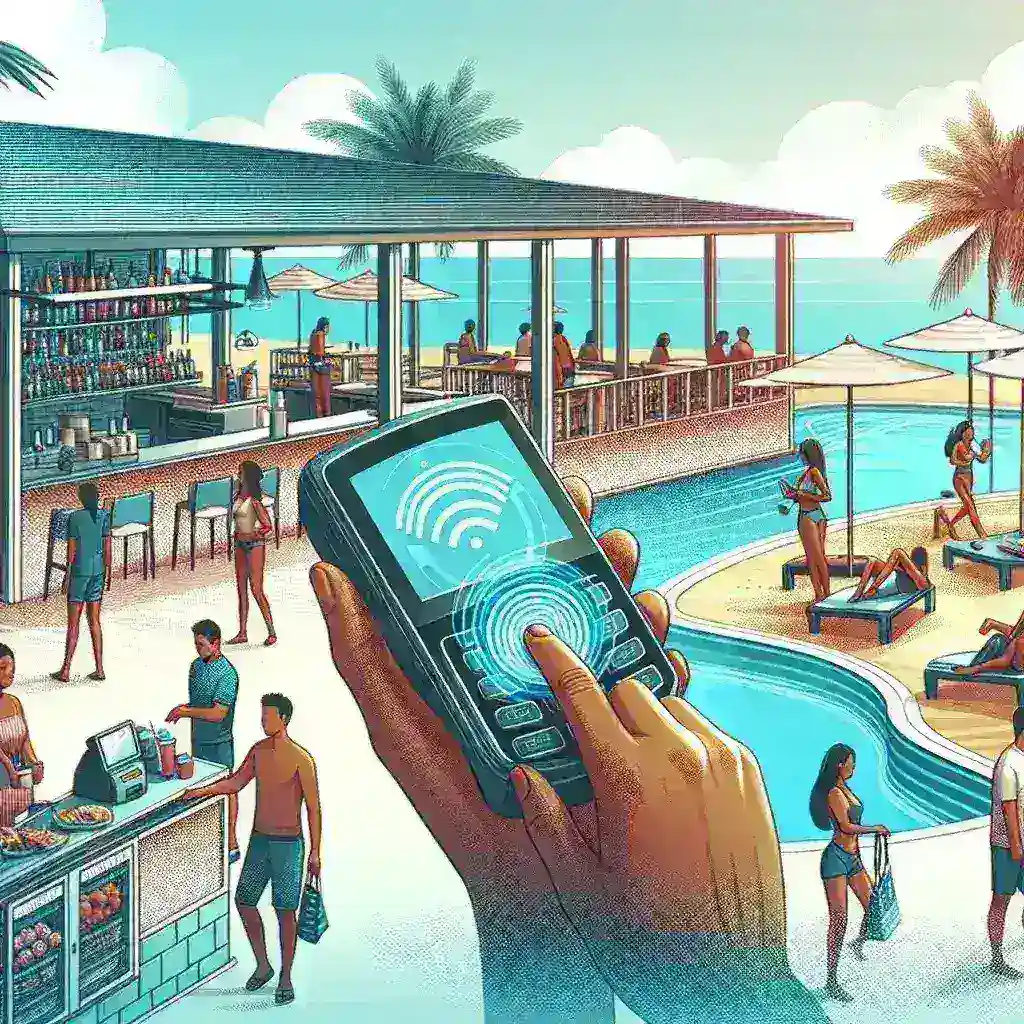
Biometric payments use unique biological characteristics—such as fingerprints, facial recognition, or iris scans—to authenticate transactions. This technology minimizes the need for physical payment methods, like cash or credit cards, making transactions quicker and more secure.
Historical Context of Biometric Technology
Biometric technology isn’t new. Its origins can be traced back to the early 1900s when fingerprints were first used for criminal identification. However, the modern application of biometrics for secure transactions has gained traction in the last two decades, driven by advancements in technology and the growing demand for enhanced security measures in various sectors.
Universal Orlando’s Initiative
Universal Orlando’s decision to implement biometric payments stems from a desire to improve guest experiences while ensuring safety and convenience. This initiative is part of a broader trend in the theme park industry, where companies are increasingly leveraging technology to enhance guest engagement and optimize operational efficiencies.
How It Works
- Enrollment: Upon arrival at the park, guests can enroll in the biometric payment system by providing their fingerprint or facial recognition data at designated kiosks.
- Authentication: When making a purchase, guests can simply scan their fingerprint or face at the point of sale, eliminating the need for cash or cards.
- Transaction Security: The biometric data is encrypted and stored securely, ensuring that guest information remains confidential.
Advantages of Biometric Payments
1. Enhanced Convenience
One of the primary benefits of biometric payments is the ease of use. Guests no longer need to fumble for wallets or worry about losing cash. Transactions become seamless, allowing for a more enjoyable experience.
2. Improved Security
Biometric authentication is inherently more secure than traditional payment methods. It significantly reduces the risk of fraud, as biometric data is unique to each individual and cannot be easily replicated.
3. Faster Transactions
Guests can complete transactions in a matter of seconds, which is particularly beneficial during peak hours when lines can become long. This efficiency helps to improve the overall flow within the park.
Potential Disadvantages
1. Privacy Concerns
One of the most significant concerns surrounding biometric payments is the potential for privacy violations. Some guests may be uncomfortable with the idea of their biometric data being collected and stored.
2. Technical Challenges
As with any new technology, there may be technical issues during the initial rollout. System glitches or challenges in data accuracy could impact the guest experience.
3. Exclusion of Certain Demographics
Not everyone may be able to use biometric systems. For example, individuals with disabilities or specific medical conditions may find it challenging to participate.
Comparative Analysis
As the theme park landscape shifts towards greater technological integration, it is essential to compare Universal Orlando’s biometric payment system with traditional payment methods. While traditional methods like credit cards and cash have served us well for decades, they come with their own set of limitations, including the risk of theft, transaction delays, and the inconvenience of handling cash.
Global Trends in Biometric Payments
Globally, the adoption of biometric payment systems is on the rise. Several businesses across various sectors, from retail to banking, are exploring or have already implemented biometrics. For example, some airlines have begun using facial recognition technology for check-in and boarding processes, further illustrating the trend towards a cashless and cardless society.
The Future of Biometric Payments at Universal Orlando
Looking ahead, Universal Orlando’s integration of biometric payment systems could pave the way for additional technological innovations within the resort. Imagine a future where guests can use biometric identifiers not only for payments but also for park entry, ride reservations, and personalized experiences tailored to their preferences.
Expert Insights
Industry experts believe that the success of biometric payments at Universal Orlando will depend heavily on guest acceptance and trust. “For biometric payments to thrive, there must be clear communication about how data will be used and safeguards to protect guest privacy,” says Dr. Emily Reynolds, a technology analyst. Her insights underline the necessity for transparency in the implementation of such systems.
Conclusion
Universal Orlando’s integration of biometric payments marks a significant shift in the theme park experience, aligning with a broader movement towards technology-driven guest services. While there are challenges to address, the potential benefits in terms of convenience and security are undeniable. As guests embrace this innovation, it may set a precedent for how we interact with theme parks and entertainment venues in the future. With an eye towards the future, Universal Orlando is not just adapting to trends but leading the charge into a new era of entertainment and hospitality.
Leave a Reply